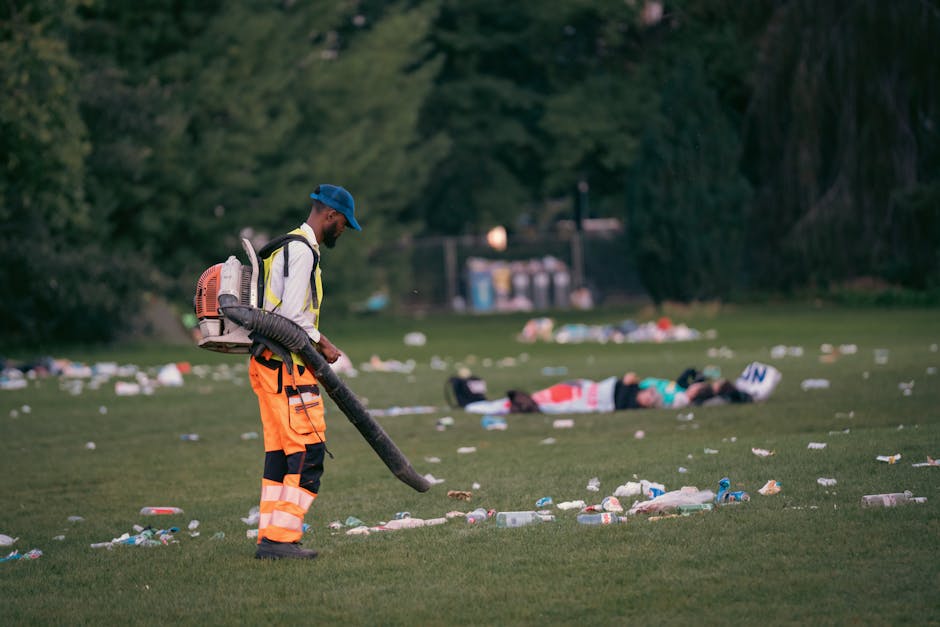
Alexandra Palace rubbish removal services for event waste: a practical guide for smoother clean-downs
Event waste has a habit of appearing everywhere at once. One minute the venue is full of buzzing guests, stacked cups, packaging, promo materials and catering trays; the next, you're staring at a room that needs to be cleared fast, neatly, and without upsetting the next booking. That is exactly where Alexandra Palace rubbish removal services for event waste come in. If you are managing a concert, conference, exhibition, private party, film shoot or brand activation around Alexandra Palace, good waste planning is not a nice extra. It is part of keeping the event safe, presentable and on schedule.
Truth be told, most clean-down problems are not dramatic. They are just messy, time-sensitive and awkward. Overflowing bins, mixed materials, broken furniture, black bags left in the wrong place, and a loading route that suddenly feels too small when everyone is in a rush. This guide breaks down how event waste removal works, what to expect, what to avoid, and how to make the whole thing feel much less like a fire drill.
Why Alexandra Palace rubbish removal services for event waste Matters
Alexandra Palace is a busy, high-footfall event destination, and that brings a specific kind of waste pressure. You are rarely dealing with one clean bin stream. Instead, you get a mix of cardboard, food waste, plastics, exhibition leftovers, signage, damaged props, packaging, and sometimes bulky items from staging or hospitality areas. If waste is left unmanaged, it starts affecting the event itself: cluttered routes, slips, unpleasant odours, staff frustration and a very scruffy look in the final moments when people are still on site.
There is also a simple operational truth: event waste is time-sensitive. A venue can go from presentable to chaotic in a couple of hours. That is especially noticeable at the end of a long day, when tired teams are folding up cables, peeling tape off floors and trying to find the last bin bag. A reliable waste removal plan helps the clean-down move in a predictable order instead of becoming a scramble.
For organisers, there is a reputation element too. Guests do notice if back-of-house areas are stacked with rubbish or if public-facing exits look neglected. Even if they cannot see the full load-out, they can feel the difference. A clean event exit simply feels more professional. It leaves less friction behind.
If your event includes office-style equipment, displays or temporary setups, it may help to look at related support such as office clearance and business waste, especially when the waste is mixed with operational or commercial materials rather than ordinary household rubbish.
How Alexandra Palace rubbish removal services for event waste Works
In practice, event waste removal usually follows a simple pattern: assess, plan, collect, sort, remove, and dispose responsibly. The exact setup depends on the scale of the event and the type of waste involved. Small private functions may only need a single post-event clearance. Larger shows and exhibitions often need a staged process: waste monitoring during the event, end-of-day sweeps, then a final load-out after breakdown.
The process normally begins with a rough waste profile. What will be generated? How much of it will be bulky? Will there be cardboard flattening on site? Are there food-service areas? Will there be items that need to be separated, like metal, wood, electronics or soft furnishings? These details shape the vehicle size, the number of loaders, and the time window needed.
From there, a collection team will usually plan access around loading bays, walkways and any restrictions on the site. That matters more than people think. A well-planned collection at Alexandra Palace should avoid blocking guest movement, staff routes or emergency access. Sometimes the difference between a smooth collection and a stressful one is simply whether the waste is staged near the right exit point. Small thing, big impact.
For events involving temporary structures, AV equipment, set dressing or build materials, waste can overlap with other clearance types. In those cases, related services like builders waste and waste removal can be useful references for what happens when the waste is heavier, dirtier or more construction-like than standard event rubbish.
Most importantly, the work should be done with sorting and disposal in mind. Rubbish is not just "taken away"; different waste streams need different handling. That could mean separating cardboard for recycling, keeping food waste apart where possible, and dealing carefully with bulky or reusable items instead of sending everything into one mixed load.
Key Benefits and Practical Advantages
There are plenty of reasons to outsource event waste clearance rather than trying to manage it all internally. The most obvious one is speed, but speed is only part of the story.
- Cleaner handover: the venue is left in a condition that makes the next stage easier, whether that's a breakdown crew, cleaning team or the next booking.
- Less staff fatigue: your team can stay focused on guest care, safety and pack-down tasks that really need their attention.
- Better sorting: professional removal makes it easier to separate recycling, reusable items and general waste.
- Lower risk of bottlenecks: rubbish does not pile up in corridors, doorways or storage corners.
- More predictable timing: the waste gets removed on a schedule, rather than whenever someone finally has five spare minutes.
- Better presentation: even behind the scenes, tidy spaces help the event feel organised and under control.
There is also a subtle benefit that organisers often appreciate only after the fact: peace of mind. When you know the post-event clearance is handled, you stop mentally carrying that final messy stage around in your head. And honestly, that helps.
For events where leftover furniture or seating is part of the waste stream, it can be worth checking options such as furniture disposal and sofa removal. These are especially useful if the event used temporary lounge areas, conference breakout seating or hospitality furniture that will not be stored for reuse.
Who This Is For and When It Makes Sense
This kind of service is not just for giant concerts. It can make sense for a wide range of organisers and venue teams. If there is any pressure to clear space quickly, keep access routes open, or dispose of mixed waste responsibly, it is worth considering.
Typical users include:
- event organisers managing one-off or recurring functions
- venue managers handling post-event reset work
- production teams dealing with staging, props or promotional materials
- caterers clearing food packaging, trays and disposable service items
- exhibitors removing stands, printed materials and stock remnants
- private hosts who need a fast clean-up after a large celebration
It makes sense when the waste volume is too much for regular bins, when bulky items are involved, or when the event timeline leaves no room for a slow clean-down. It also makes sense when the venue needs to be returned to a polished state for the next day. If you know that the room will be dark, tired and full of half-folded tables by 11pm, that's the moment to plan waste removal properly rather than improvising at midnight.
Event waste can overlap with domestic clearance too, especially for private hire events or hospitality functions. If you are clearing a flat, house or temporary space after a function, related pages like flat clearance and house clearance may also be relevant depending on the setting.
Step-by-Step Guidance
If you want the clean-down to run smoothly, it helps to think in stages. The process does not need to be complicated, but it does need to be deliberate.
- Map the waste sources. Identify where waste will come from: bar areas, catering points, audience spaces, exhibitor stands, storage areas, dressing rooms, or build zones.
- Estimate the waste mix. Note whether you expect general rubbish, cardboard, food waste, furniture, packaging, or dismantled display materials.
- Choose a collection timing. Decide whether you need one final clearance, multiple sweeps, or an overnight removal after breakdown.
- Set a staging point. Pick a safe, accessible place where waste can be grouped without blocking people or exits.
- Separate what can be separated. Cardboard, soft plastics, food waste and bulky items are easier to manage when they are not all thrown together.
- Brief the team. Make sure staff and contractors know where waste goes and who is responsible for each area.
- Confirm the removal window. Align the clearance with venue access, delivery cut-offs and the end of breakdown.
- Check the site after collection. A final walk-through catches missed items like tape rolls, broken packaging, cable ties and forgotten cups. The little bits are always hiding somewhere.
A practical tip: if the event is large, do not wait until the very end to think about waste. Set up the system before guests arrive. That way, the final sweep becomes tidying up, not detective work.
Expert Tips for Better Results
Over time, you notice that the best event clearances are rarely the most dramatic. They are the ones that were quietly planned in advance. Here are a few things that genuinely help.
- Use visible waste stations. Guests and staff are more likely to use them if they are easy to spot and not tucked away in a gloomy corner.
- Label bins by waste type. A simple label can prevent a surprising amount of contamination.
- Flatten cardboard early. Cardboard takes up far more room when it stays boxed and puffed up.
- Keep wet waste separate. Food waste mixed with dry recyclables quickly becomes unpleasant and harder to handle.
- Protect routes. If waste needs to travel through guest areas, keep those routes short and clear.
- Have one person in charge. Waste plans unravel when everybody thinks somebody else is coordinating them.
- Allow a buffer. Events overrun. Always. A bit of breathing room is your friend.
Another small but useful habit is taking a quick photo of major waste areas before the event starts and again at the end of breakdown. Not for drama. Just for reference. It helps teams see whether all the expected waste has actually been removed, which is more useful than it sounds.
If you are dealing with larger or recurring commercial waste flows, pages such as rubbish collection and waste collection can help frame the difference between one-off removal and regular service planning.
Common Mistakes to Avoid
Most event waste issues are preventable. The tricky part is that they often feel minor until they become time-consuming. Here are the mistakes that tend to cause the most friction.
- Leaving waste planning until pack-down day. By then, everyone is tired and the room is already busy.
- Assuming one bag type fits everything. It really doesn't. Mixed waste creates more mess and makes sorting harder.
- Ignoring access routes. A collection team cannot work efficiently if the waste is staged somewhere awkward or unsafe.
- Forgetting bulky items. Chairs, boards, display units and damaged decor take more space than you first think.
- Not briefing temporary staff. Casual or agency teams may not know your waste system unless you show them.
- Overfilling bins. Once bags are split or lids stop closing, the clean image disappears quickly.
One of the classic mistakes? Someone says, "We'll just sort it later." Later is where event waste goes to become somebody else's problem. Not ideal.
Tools, Resources and Recommendations
You do not need a truck full of specialist kit to manage event waste well, but a few simple tools make a big difference.
- Heavy-duty bin bags: useful for general waste and soft materials.
- Clear labels or signs: ideal for separating recycling, food waste and general rubbish.
- Hand trolleys or sack trucks: helpful for moving bagged waste and boxed items safely.
- Flattening tools or simple break-down tools: practical for cardboard, stands and packaging.
- Protective gloves: important for staff handling sharp packaging, broken items or heavy bags.
- Gaffer tape and ties: good for bundling items neatly during the breakdown stage.
In terms of service selection, choose a provider that can cope with the actual event profile, not just the headline size. A small conference with lots of cardboard may need a different approach from a themed party with oversized decor and mixed furniture. If the waste includes office-like materials, temporary work areas or stock remnants, rubbish removal and waste clearance are useful broader service categories to think about.
Also consider related support if the event has storage overspill, backstage clutter or leftover venue equipment. Services like garage clearance and home clearance may sound unrelated at first glance, but the underlying logic is the same: remove accumulated items efficiently and responsibly.
Law, Compliance, Standards, or Best Practice
For event waste, the safest approach is to follow recognised UK waste-handling best practice. That means using a responsible carrier, keeping waste contained, and ensuring recyclable or reusable materials are not carelessly mixed with general rubbish where avoidable. You do not need to turn into a compliance lawyer, but you do need a sensible process.
Good practice usually includes:
- keeping waste stored safely before collection
- avoiding obstruction of fire exits, corridors or loading access
- separating waste streams where practical
- handling sharps, broken glass and heavy items with care
- using a provider that can describe how waste is removed and managed
For event organisers, the practical point is this: if something could trip a person, spill onto a walkway, attract pests, or create a handling hazard, it should not be left sitting around. Venue teams usually know this instinctively, but during a busy breakdown it is easy to miss. And yes, the last ten minutes of an event are often the least glamorous. That is where standards matter most.
If the waste is generated by a business event, it may be helpful to think of it alongside business waste and waste disposal rather than as an ordinary household collection. That framing keeps expectations realistic and helps with planning.
Options, Methods, or Comparison Table
There is more than one way to clear event rubbish, and the right option depends on timing, waste type and site access. Here is a simple comparison that helps organise the decision.
| Method | Best for | Strengths | Limitations |
|---|---|---|---|
| In-house team clearance | Very small events with light waste | Flexible, immediate, low coordination | Can be slow, tiring and less efficient for bulky waste |
| Scheduled event waste removal | Most medium and large events | Predictable, organised, suitable for mixed waste | Needs advance planning and clear site access |
| Staged clearance during event | Long events, exhibitions and multi-day functions | Prevents build-up and keeps spaces tidy throughout | Requires tighter coordination and a clear waste strategy |
| Bulky-item specialist clearance | Furniture, props, stands and larger fixtures | Useful for awkward or heavy items | Not always the best fit for mixed general rubbish alone |
In many cases, the best answer is a combination. A live event might need normal bagged waste collection during the day and then a final bulky clearance after breakdown. That kind of blended approach is often more practical than trying to force everything into a single collection window.
Case Study or Real-World Example
Imagine a two-day showcase at Alexandra Palace with a mix of exhibitors, hospitality tables and branded display units. By the end of day one, you have packaging from stand builds, discarded leaflets, food trays and a few broken cardboard boxes that no one wants to look after until morning. Nothing shocking, just the usual event scatter.
On day two, the waste has grown. There are extra cups, catering scraps, some broken signage, and a few bulky items that do not fit into standard bins. If no one has planned the clean-down, staff start stacking bags in corners. That is when the space starts feeling cramped, and the final breakdown gets slower because everyone is navigating around the mess.
With a clear waste plan, the situation looks very different. Cardboard is flattened early. General waste goes into labelled bags. Bulky items are set aside in a safe area. A collection team arrives once the event is ready, removes the load in stages, and the venue is handed back in a way that is tidy, safe and much less stressful for the next crew.
It sounds simple because, on paper, it is. In real life, that structure saves time, reduces lifting, and stops the final hour from becoming the noisy, sweaty, slightly chaotic bit everyone remembers.
Practical Checklist
Use this checklist before and after your event clean-down.
- Confirm the event waste types expected on site
- Decide whether you need one collection or multiple sweeps
- Identify a safe waste staging area
- Brief staff, contractors and temporary workers
- Provide separate bins or bags where practical
- Flatten cardboard as early as possible
- Keep food waste away from recyclable dry materials
- Set aside bulky furniture, props or broken items
- Make sure access routes stay clear
- Check the venue after collection for missed items
If you can tick most of those off before the last guest leaves, you are already ahead of the game. And yes, that matters.
Get a free quote today and see how much you can save.
Conclusion
Alexandra Palace rubbish removal services for event waste are about more than simply clearing bags at the end of the night. They help preserve safety, protect the venue's presentation, support smooth breakdowns and make sure the event ends as professionally as it began. The best systems are the ones that feel almost invisible because they were planned well from the start.
If you are organising an event in or around Alexandra Palace, think of waste removal as part of the event design, not an afterthought. A clear plan, the right collection window and sensible sorting will save you time and reduce stress, often in ways people only appreciate once the room is empty and quiet again.
Sometimes the simplest thing is the biggest relief. A clean floor, a clear exit, and one less thing to worry about. That's a good end to a busy event, really.
Frequently Asked Questions
What counts as event waste at Alexandra Palace?
Event waste usually includes general rubbish, packaging, cardboard, food waste, drink containers, promotional materials, broken decor, and sometimes bulky items such as furniture or display units.
Do I need special waste removal for a small event?
Not always, but even small events can create more waste than expected. If there are bulky items, mixed materials or a tight turnaround, a dedicated removal service is often the easier option.
Can event waste be removed after the venue closes?
Yes, and that is often the most practical time. Post-event collections are common because they allow the clean-down to happen without disrupting guests or ongoing activities.
What if my event has a mix of rubbish and furniture?
That is very normal. A mixed load may need both general rubbish handling and separate bulky-item removal, especially if tables, chairs, soft furnishings or display pieces are involved.
How far in advance should I arrange waste removal?
As early as possible. For larger events, waste planning should happen alongside venue logistics so the collection timing, access and waste types are all considered before the event begins.
Is cardboard separated from general waste?
It should be where practical. Flattened cardboard is easier to handle and can often be managed more efficiently when it is kept apart from mixed rubbish and food waste.
What should I do with food waste from catering areas?
Keep it contained, bagged or bin-lidded, and separate it from dry materials if you can. Food waste is one of the fastest ways to make a clean-down smell worse and become harder to manage.
Can you remove waste from backstage or storage areas too?
Yes. Back-of-house spaces often collect the most awkward leftover material, and they are usually the places where waste builds up quietly during an event.
What's the biggest mistake event organisers make?
The biggest mistake is leaving waste planning until the final breakdown. By then, people are tired, access is busy and small problems become big ones very quickly.
How do I know if I need a waste removal service instead of regular bins?
If the volume is high, the waste is bulky, the timetable is tight, or the materials are mixed, a proper removal service is usually the safer and faster choice.
Does event waste removal help with compliance?
It can support good compliance practice by keeping waste contained, routes clear and materials handled responsibly. It is still important to plan storage, access and sorting carefully on site.
What should I ask a provider before booking?
Ask what types of waste they can handle, how access will work on site, whether bulky items are included, and how collection timing will fit your event schedule. Clear answers are a good sign.
About this guide: if you are comparing clean-up options for an Alexandra Palace event, a calm, well-timed collection plan usually beats a rushed last-minute scramble every time. That bit is worth remembering when the venue is quiet again and the lights are down.